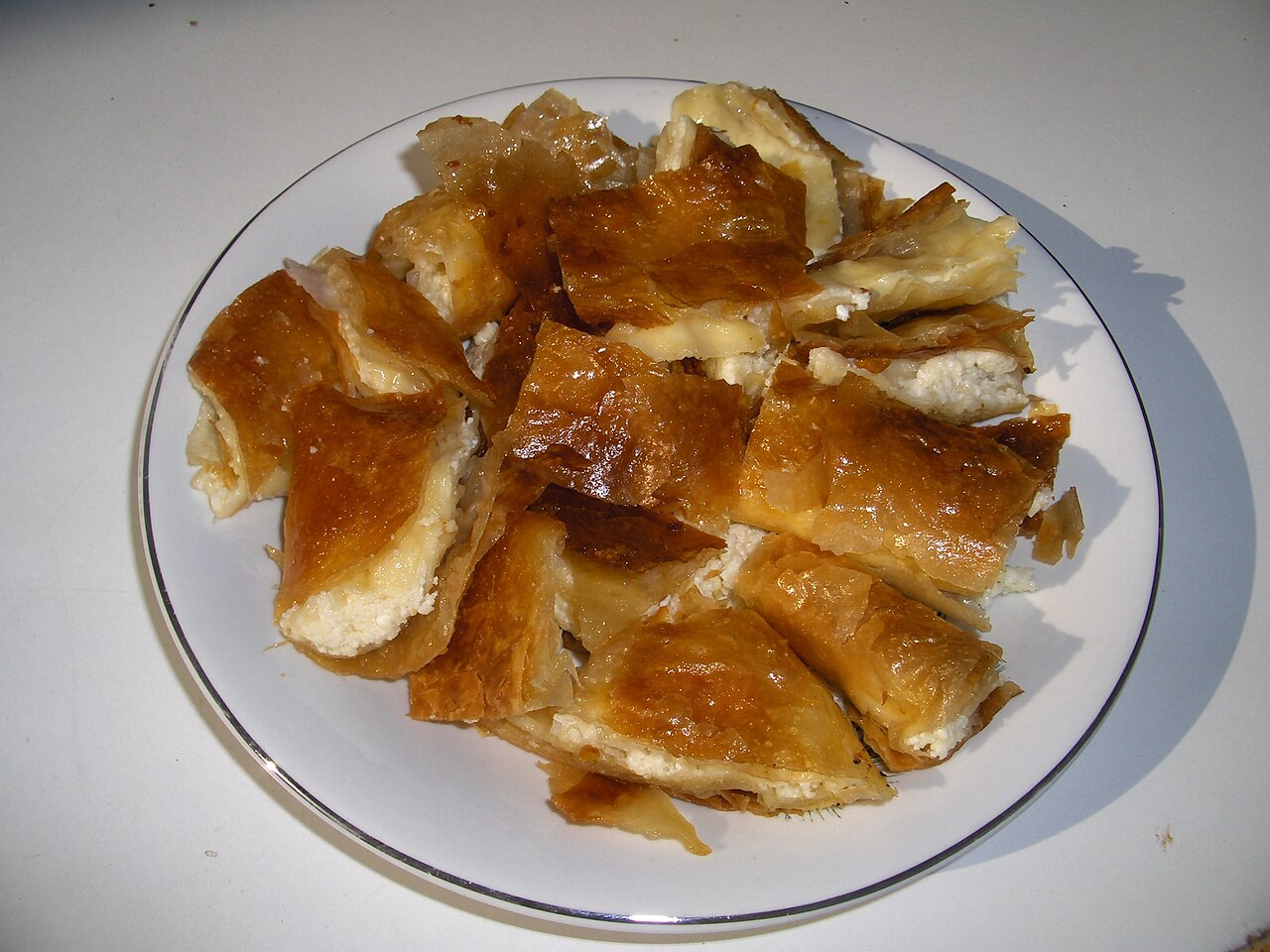
Imagine a pastry that perfectly marries delicate crispness with luscious creaminess, all infused with a bright citrus whisper. That, in essence, is Bougatsa, a celebrated Greek custard pie that transcends mere dessert status to become a beloved culinary icon. This traditional delight, with its golden phyllo embrace and velvety semolina filling, is a staple in Greek households and bakeries, cherished for its ability to brighten any moment of the day, from an energizing breakfast to a comforting evening treat.
More than just a sweet indulgence, bougatsa is a taste of Greek heritage, a culinary hug that evokes memories of family gatherings and sun-drenched mornings. While countless variations of custard pies exist globally, the Greek bougatsa distinguishes itself with its unique texture, subtle sweetness, and unmistakable aroma of orange zest and cinnamon. It’s a dish that invites you to slow down, savor each bite, and experience a piece of Greece, no matter where you are.
What Exactly is Bougatsa? Unpacking the Layers of Greek Tradition
At its heart, bougatsa is a symphony of contrasting textures and harmonious flavors. It typically consists of two main components: an exterior of paper-thin, buttery phyllo pastry and an interior of rich, creamy custard. The phyllo, painstakingly layered and brushed with melted butter, bakes to a magnificent golden crisp, shattering delightfully with every forkful. This outer shell provides a beautiful textural contrast to the silky, warm filling within.
The custard itself is a masterpiece of simplicity and flavor. Made from milk, sugar, fine semolina, and often eggs, it achieves a luxurious, smooth consistency. What truly elevates the bougatsa custard, however, is the addition of fragrant orange zest and sometimes a hint of vanilla. This citrus twist cuts through the richness, imparting a fresh, bright note that is utterly irresistible. Unlike many other pastries that rely on heavy syrups, bougatsa's sweet character comes predominantly from the custard itself, topped generously with a snow-like dusting of icing sugar and a warm sprinkle of cinnamon after baking.
While the sweet custard version is by far the most famous and widely adored, it's worth noting that savory bougatsa varieties also exist, featuring fillings like cheese or minced meat. However, when Greeks speak of bougatsa, it's almost always the sweet, creamy, citrus-scented custard pie they're referring to, the one that takes you back to bustling morning bakeries in Thessaloniki or quiet Sunday treats at home. The mastery lies in achieving that delicate balance: phyllo that's crisp but not dry, and custard that's firm enough to hold its shape yet liquid enough to be "oozy and perfect" when warm.
The Sensory Experience: A Symphony of Taste and Texture
Eating bougatsa is a multi-sensory journey, starting long before the first bite. The aroma alone is enough to captivate: the sweet, comforting scent of baked butter and sugar mingles with the bright, uplifting notes of orange zest and the warm spice of cinnamon. It’s an inviting fragrance that promises pure delight.
Upon taking a piece, the experience truly begins. The phyllo pastry, freshly baked, offers an audible crunch, a delicate shatter that signals its perfect crispness. This gives way to the incredibly smooth, almost liquid-like custard within. The contrast is sublime – the robust crackle of the phyllo yielding to the gentle warmth and creamy embrace of the filling. The custard, often made with fine semolina, possesses a subtle graininess that adds another layer of texture without being heavy or pasty. As it melts in your mouth, the vibrant orange zest awakens the palate, providing a refreshing counterpoint to the sweetness. Finally, the dusting of icing sugar adds an ethereal sweetness, while the cinnamon provides a comforting, aromatic finish, tying all the flavors together in a cohesive, unforgettable experience.
This interplay of crisp and creamy, sweet and citrusy, is what makes bougatsa so utterly addictive. It's a dish that evokes a powerful sense of nostalgia for those who grew up with it, reminding them of childhood mornings and the simple pleasures of Greek life. For newcomers, it's a surprising revelation, a pastry that offers depth and comfort far beyond its humble appearance. Serve it warm, and the custard is at its most "oozy and perfect," a truly indulgent moment.
Bougatsa's Versatility: From Morning Coffee to Evening Indulgence
One of the most remarkable aspects of bougatsa is its incredible versatility. While many pastries are confined to a specific mealtime, bougatsa defies such limitations, making a welcome appearance at almost any point throughout the day.
A Quintessential Greek Breakfast
In Greece, particularly in cities like Thessaloniki, bougatsa is not just a treat; it's a breakfast ritual. Locals often grab a square of warm bougatsa from a corner bakery, still steaming from the oven, and pair it with a strong Greek coffee. The rich coffee perfectly complements the sweet, creamy pastry, providing a delicious and satisfying start to the day. It’s a tradition that speaks volumes about the pastry's cultural integration and its role in daily life.
The Perfect Midday Snack
Beyond breakfast, bougatsa shines as a midday pick-me-up. Whether you're feeling a little peckish or simply craving something comforting, a slice of bougatsa hits the spot. Its combination of carbohydrates from the phyllo and protein from the custard makes it surprisingly substantial, offering a sustained energy boost without being overly heavy. It’s the ideal companion for an afternoon tea or a quick break from work.
An Elegant Dessert for Any Occasion
While often enjoyed casually, bougatsa also holds its own as a sophisticated dessert. Its beautiful golden appearance, delicate textures, and refined flavors make it a showstopper at dinner parties or family gatherings. Served warm, perhaps with a scoop of vanilla ice cream or a dollop of whipped cream, it transforms into an even more decadent experience. Its adaptability extends to serving temperature too; while best warm, it can be enjoyed at room temperature for brunch or even cold from the fridge as a discreet late-night indulgence. No matter the time or temperature, a well-made bougatsa never lasts long.
Bougatsa vs. Galaktoboureko: A Culinary Conundrum Solved
For those familiar with Greek desserts, a common question arises: "Is bougatsa just galaktoboureko without the syrup?" While both are beloved Greek custard pies wrapped in phyllo, they possess distinct characteristics that firmly establish their individuality. Understanding these differences is key to appreciating the unique charm of each.
The most significant distinction lies in the syrup. Galaktoboureko is famously doused in a generous, often citrus-infused, hot syrup immediately after baking. This syrup soaks into the phyllo, creating a moist, intensely sweet, and often stickier pastry. Bougatsa, on the other hand, foregoes the syrup entirely, relying instead on a dusting of icing sugar and cinnamon for its sweetness and aromatic finish. This lack of syrup allows the crispness of the phyllo to truly shine and makes for a less overtly sweet profile, letting the subtle orange zest in the custard take center stage.
Another crucial difference is the thickness of the custard. Bougatsa typically features a notably thinner layer of custard compared to the often thick, substantial filling found in galaktoboureko. This thinner custard in bougatsa contributes to its lighter feel and ensures that when served warm, it remains beautifully creamy and "oozy," a hallmark texture that sets it apart. Furthermore, while galaktoboureko is almost always baked in a large pan and cut into squares, bougatsa is frequently prepared and served as individual parcels or smaller, more delicate pieces, highlighting its often more refined presentation. For a deeper dive into these delicious differences, explore Bougatsa vs. Galaktoboureko: Unpacking Greek Custard Pastry Differences.
Tips for Enjoying and Mastering Authentic Bougatsa
Experiencing authentic bougatsa is a treat, whether you're savoring it in Greece or recreating it in your own kitchen. To truly appreciate this Greek delicacy, here are some tips:
- Seek Out Authentic Sources: The best bougatsa often comes from specialized Greek bakeries or patisseries. Look for establishments that make their phyllo fresh or have a reputation for traditional Greek sweets. The quality of the phyllo and the richness of the custard make all the difference.
- Serve Warm for Optimal Ooziness: While delicious at any temperature, bougatsa's custard is at its most sublime when warm. A quick reheat in a preheated oven (not a microwave, which can make the phyllo soggy) will restore its crispness and bring the custard to that coveted "oozy" state.
- Don't Skimp on the Toppings: The generous dusting of icing sugar and cinnamon isn't just for show; it's an integral part of the flavor profile. Ensure you have a good quality cinnamon for that aromatic kick.
- Experiment with Pairings: While coffee and tea are classic accompaniments, consider pairing bougatsa with a glass of cold milk, a light dessert wine, or even a scoop of tart fruit sorbet to balance its richness.
- Consider Making Your Own: If you're adventurous in the kitchen, making bougatsa from scratch can be a rewarding experience. It allows you to control the freshness of ingredients and customize the citrus notes. The process, while requiring some patience with phyllo, is incredibly satisfying and the result is truly worth the effort. For those ready to embark on this culinary adventure, check out our guide on Mastering Bougatsa: Your Guide to Flaky Phyllo & Creamy Citrus Custard.
Bougatsa offers an accessible entry point into the world of Greek pastries, delivering complex flavors and textures in every comforting bite.
From its humble beginnings in Greek kitchens to its cherished status in bakeries worldwide, bougatsa stands as a testament to the timeless appeal of simple, quality ingredients transformed into something extraordinary. Its delicate balance of crispy phyllo, creamy citrus-infused custard, and aromatic cinnamon makes it a truly versatile and beloved pastry for any meal. Whether enjoyed for a leisurely breakfast, a satisfying midday snack, or an elegant dessert, bougatsa is more than just food; it's an experience, a slice of Greek warmth, and a reminder that some of life's greatest pleasures are found in the most traditional of treats. So go on, indulge in a piece of this crispy Greek custard pie – you might just find your new favorite comfort food.
