Mastering Bougatsa: Your Guide to Flaky Phyllo & Creamy Citrus Custard
Imagine the gentle crackle of golden, buttery phyllo pastry giving way to a cloud-like, warm semolina custard, subtly fragrant with citrus and cinnamon. This is the sensory experience of
Bougatsa: The Crispy Greek Custard Pie for Any Meal – a beloved Greek delicacy that transcends mere dessert. More than just a pastry, bougatsa is a taste of Greek tradition, a morning ritual in bustling cities, and a comforting treat shared amongst families. This comprehensive guide will take you on a journey through the heart of bougatsa, exploring its history, perfect preparation, and undeniable charm.
What is Bougatsa? A Symphony of Textures and Flavors
At its core,
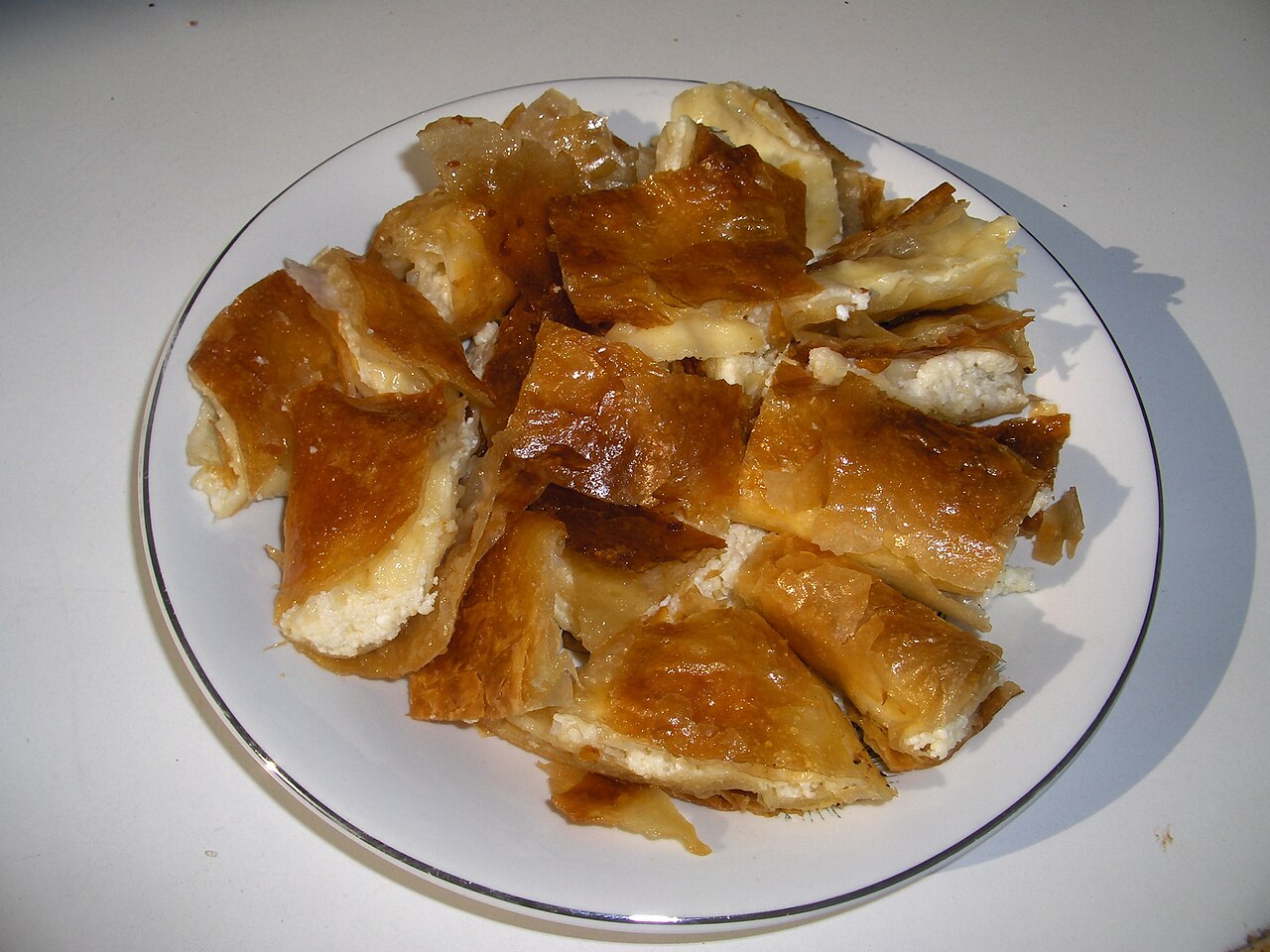
bougatsa is a traditional Greek custard pie, revered for its masterful interplay of textures and delicate flavors. It's an elegant yet rustic creation, typically consisting of thin, butter-brushed layers of phyllo dough encasing a rich, creamy semolina custard. The classic sweet bougatsa, which is the star of this guide, is almost always flavored with a hint of orange zest and/or vanilla, then generously dusted with a snowy blend of icing sugar and cinnamon after baking.
The magic of bougatsa lies in this exquisite contrast: the phyllo, baked to a deep golden crisp, shatters with every bite, revealing an interior that is smooth, luscious, and incredibly satisfying. While sweet versions dominate, it's worth noting that savory bougatsa, with fillings like cheese or minced meat, also exists and is equally cherished in different regions of Greece. However, the sweet custard bougatsa remains the most iconic and widely adored.
For many, bougatsa evokes powerful memories of childhood and Greek hospitality. It's the aroma wafting from a bakery on a crisp morning, the warm square enjoyed with a strong Greek coffee, or the unexpected treat after a Sunday family meal. Its versatility means it effortlessly fits into various moments of the day – from a hearty breakfast to a midday pick-me-up, or a satisfying dessert after dinner.
The Cultural Heartbeat of Greece: Bougatsa Through the Day
Bougatsa isn't just a pastry; it's a fundamental part of the Greek culinary landscape and daily rhythm. In Greece, particularly in Thessaloniki, the "bougatsa capital," it's not uncommon for locals to start their day with a warm, freshly baked piece of bougatsa paired with a strong, invigorating Greek coffee. The sheer convenience and satisfying nature of this pastry make it the perfect on-the-go breakfast, offering both sustenance and a moment of pure culinary pleasure.
Beyond the morning rush, bougatsa gracefully transitions into other roles. It's a popular choice for a light lunch, a comforting afternoon snack, or a delightful conclusion to any meal. Families across Greece often prepare bougatsa for special occasions, holiday gatherings, or simply as a beloved weekend treat. The act of sharing a warm bougatsa fresh from the oven, its fragrant steam filling the kitchen, is an integral part of Greek family life.
This deep cultural integration is why bougatsa holds such a strong nostalgic pull for anyone who has grown up in a Greek household or spent time experiencing Greek cuisine. Biting into a piece isn't just eating; it's connecting with tradition, memory, and a way of life. It’s a taste that instantly transports you to sun-drenched Greek mornings and cozy family gatherings.
Crafting Perfection: Tips for Your Homemade Bougatsa
While the thought of making bougatsa from scratch might seem daunting, mastering its components – the phyllo and the custard – is a rewarding endeavor. Here are some insights and tips to help you achieve that perfect flaky and creamy balance:
The Art of the Phyllo: Achieving Golden Crispness
The secret to bougatsa's signature crunch lies in the phyllo pastry.
- Handling Phyllo: Phyllo dough is notoriously delicate and dries out quickly. Always keep unused sheets covered with a damp cloth or plastic wrap while you work.
- Butter, Butter, Butter: Generous brushing of melted butter (or a mix of butter and olive oil for a slightly lighter touch) between each layer of phyllo is crucial. This is what creates those distinct, flaky layers that shatter so beautifully. Don't skimp!
- Layering Technique: For a rustic, bakery-style bougatsa, the phyllo isn't always laid perfectly flat. Sometimes, it's gathered, crinkled, or folded to create more texture and pockets for steam, resulting in an even crispier exterior. You can experiment with different folding methods – a simple rectangular pan layering, or creating individual parcels, which is a common and charming presentation.
- Pre-cutting (Optional but Recommended): For easier serving, you can lightly score the top layers of phyllo before baking. This makes cutting through the crispy pastry much simpler once it's out of the oven.
Mastering the Custard: The Creamy Heart
The creamy semolina custard is the soul of bougatsa.
- Semolina Type: Use fine semolina (sometimes labeled "cream of wheat"). This creates a smoother, more refined custard texture compared to coarser varieties.
- Cooking the Custard: The custard needs to be cooked slowly over medium heat, stirring constantly, until it thickens significantly. It should be thick enough to coat the back of a spoon and hold its shape. Lumps can be avoided by whisking continuously, especially when adding the semolina to the hot milk mixture.
- Flavor Infusion: Don't forget the orange zest and vanilla! These are key to the traditional bougatsa flavor profile. Use fresh orange zest for the brightest flavor. Some recipes also incorporate a hint of lemon zest for added brightness.
- Eggs for Richness: Eggs contribute to the custard's richness and help it set. Ensure your custard has cooled slightly before incorporating the eggs to prevent them from scrambling.
Baking for Golden Perfection: Temperature and Timing
- Oven Temperature: A moderate oven (around 350-375°F or 175-190°C) is ideal. This allows the phyllo to cook through and become golden brown without burning, while also giving the custard enough time to set properly.
- Patience is Key: Bougatsa needs sufficient baking time (typically 45-60 minutes) to achieve its characteristic crispness and golden hue. Don't be tempted to pull it out too early.
- Cooling & Dusting: While it’s tempting to dive in immediately, letting the bougatsa cool slightly allows the custard to firm up a bit more, making it easier to serve. Dust with a generous amount of icing sugar and cinnamon just before serving for that iconic finish.
Bougatsa vs. Galaktoboureko: Unpacking the Differences
A common question among those exploring Greek desserts is the distinction between bougatsa and galaktoboureko. While both are divine custard pies wrapped in phyllo, they possess unique characteristics. Understanding these differences can help you appreciate each pastry on its own merits. For a deeper dive, check out our article
Bougatsa vs. Galaktoboureko: Unpacking Greek Custard Pastry Differences.
The primary differences include:
- Custard Thickness: Bougatsa typically features a thinner, silkier layer of custard, which remains beautifully oozy and creamy when served warm. Galaktoboureko, on the other hand, boasts a significantly thicker, denser custard layer.
- Syrup vs. Dusting: This is the most defining characteristic. Galaktoboureko is always drenched in a sweet, often citrus-infused syrup immediately after baking. Bougatsa, however, eschews syrup in favor of a simple yet elegant dusting of icing sugar and cinnamon.
- Presentation: While both can be prepared in large pans, bougatsa is very often served as individual parcels or squares, making it an excellent "dessert on the go" or a single-serving treat. Galaktoboureko is more frequently cut from a larger pan into rectangular or diamond shapes.
Both are exquisite in their own right, but bougatsa offers a lighter, less intensely sweet experience, allowing the crisp phyllo and delicate custard flavors to shine.
Beyond the Classic: Bougatsa's Versatile Appeal
One of bougatsa's most endearing qualities is its sheer versatility. While it shines warm, fresh from the oven, its appeal doesn't diminish as it cools.
- Warm and Oozy: This is arguably the most popular way to enjoy bougatsa. The warm custard is at its creamiest, and the phyllo is at its crispiest.
- Room Temperature: Perfect for brunches or entertaining, bougatsa holds up wonderfully at room temperature, making it a convenient option for gatherings.
- Chilled: Surprisingly refreshing, especially on a hot day, bougatsa straight from the fridge offers a different, firmer custard experience that's equally delightful.
Beyond serving temperature, while the sweet semolina and orange zest filling is the undeniable classic, bougatsa can also be adapted. Some variations might include chocolate custard, apple filling, or even the aforementioned savory options. However you choose to enjoy it, bougatsa never lasts long once it hits the table!
In conclusion, bougatsa is more than just a Greek pastry; it's an edible emblem of Greek culture, hospitality, and culinary artistry. Its perfect blend of crispy phyllo, creamy citrus-infused custard, and aromatic cinnamon-sugar topping makes it an unforgettable experience. Whether you're seeking a nostalgic taste of Greece or discovering a new favorite dessert, mastering bougatsa at home is a rewarding journey that promises flaky perfection and creamy bliss. So, go ahead, gather your ingredients, and prepare to embark on your own bougatsa adventure – your taste buds will thank you.