Bougatsa vs. Galaktoboureko: Unpacking Greek Custard Pastry Differences
Greek cuisine is renowned for its vibrant flavors, fresh ingredients, and an array of delectable pastries that capture the essence of Mediterranean sweetness. Among the most cherished are two magnificent custard-filled phyllo creations: Bougatsa and Galaktoboureko. While both delight the palate with creamy fillings encased in crisp, buttery layers, they possess distinct characteristics that set them apart. Often, a delightful debate sparks in Greek households and bakeries: are these two treats merely variations of each other, or truly unique culinary experiences? Let's delve into the delicious details and unpack what makes each of these pastries a Greek treasure.
The Allure of Bougatsa: A Symphony of Crunch and Cream
Imagine stepping into a bustling Greek bakery on a crisp morning, the air thick with the scent of warm butter and sweet spices. That quintessential aroma often belongs to **Bougatsa**. This traditional Greek custard pie is a breakfast staple, a midday snack, and a beloved dessert, offering a unique textural journey with every bite.
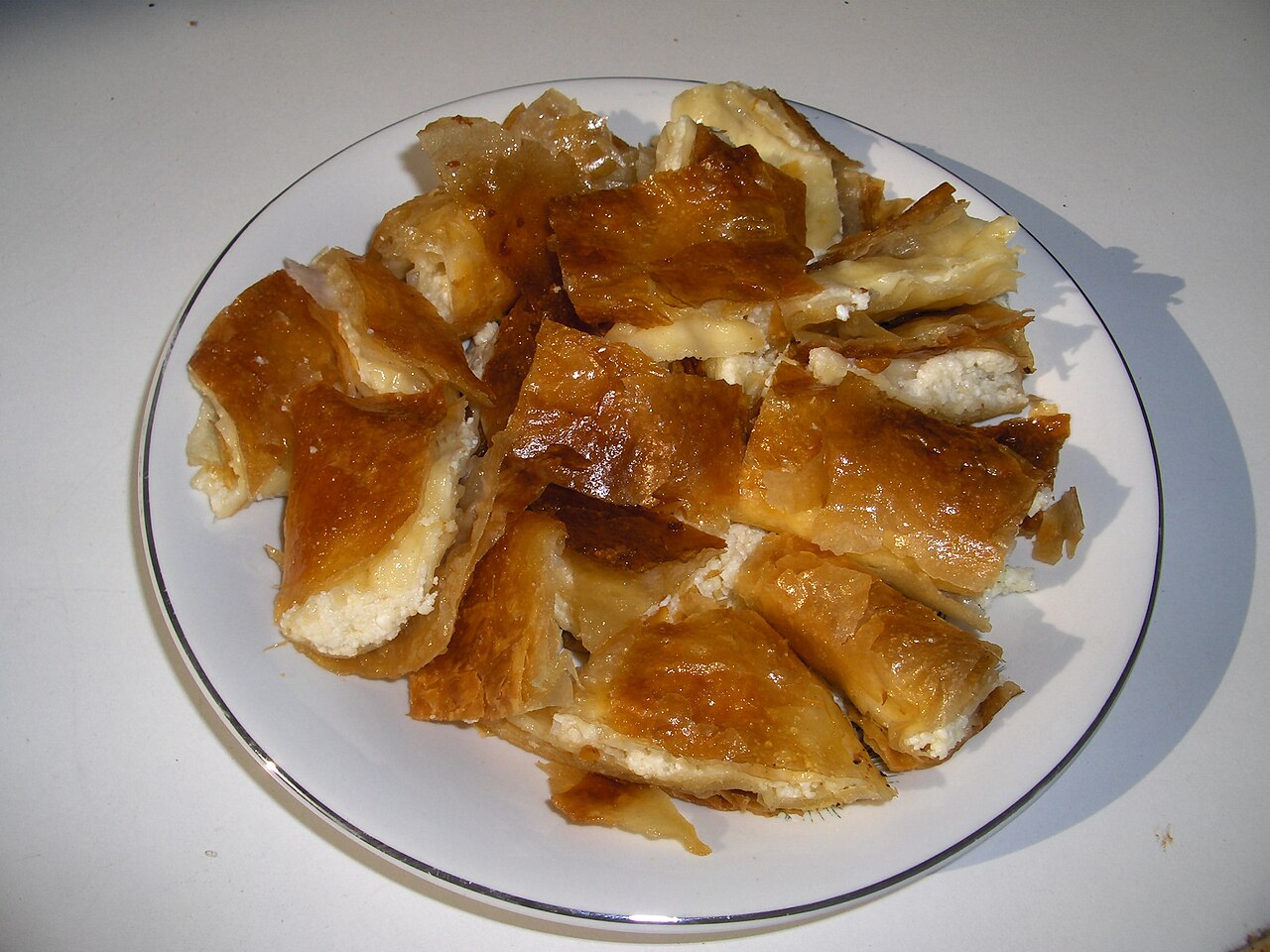
At its heart, Bougatsa is a masterpiece of contrasts. It features delicate, paper-thin layers of phyllo pastry, baked to a golden crispness that audibly shatters under your fork. Nestled within these flaky layers is a silky-smooth, creamy semolina custard. This filling, typically made with milk, sugar, fine semolina, and eggs, is often infused with the bright, aromatic essence of orange zest, sometimes complemented by a hint of vanilla. Unlike its syrupy cousin, Bougatsa’s charm lies in its simplicity, finished with a generous dusting of icing sugar and a sprinkle of cinnamon post-baking. The custard layer in a traditional bougatsa is typically thinner than that found in galaktoboureko, contributing to its light, almost ethereal quality.
Bougatsa is incredibly versatile. It's fantastic served warm, straight from the oven, when the phyllo is at its crunchiest and the custard is wonderfully oozy and creamy. However, it's equally delightful at room temperature for a brunch spread or even chilled from the fridge for a refreshing treat. Whether enjoyed with a strong Greek coffee for breakfast or as a cozy afternoon snack, this pastry evokes a sense of nostalgia for anyone who has experienced Greek food culture. For those eager to master this classic, exploring resources like
Bougatsa: The Crispy Greek Custard Pie for Any Meal and
Mastering Bougatsa: Your Guide to Flaky Phyllo & Creamy Citrus Custard can provide invaluable tips and recipes. While sweet bougatsa is the most famous, regional variations also include savory fillings with cheese or minced meat, showcasing its adaptability.
Galaktoboureko: The Syrupy Embrace
While sharing the phyllo-and-custard foundation, Galaktoboureko presents a different, yet equally enchanting, sweet experience. Its name, literally meaning "milk börek," hints at its rich, milky custard. Galaktoboureko typically boasts a significantly thicker, more substantial semolina custard layer than bougatsa, offering a denser, creamier mouthfeel.
The defining characteristic of Galaktoboureko, and the primary differentiator in the great Greek pastry debate, is the **syrup**. After baking to a beautiful golden brown, the hot pastry is generously doused with a fragrant, often citrus-infused simple syrup. This syrup is absorbed by the warm phyllo and custard, imparting a glistening finish, intense sweetness, and a moist, slightly chewy texture that contrasts with the initial crispness of the top phyllo layers. The syrup often features notes of lemon, orange, or even rosewater, adding another layer of aromatic complexity. Unlike bougatsa which often comes in individual parcels, galaktoboureko is usually prepared in a large pan and then cut into squares or diamond shapes for serving, making it a popular dessert for gatherings and special occasions.
Bougatsa vs. Galaktoboureko: Unpacking the Distinct Differences
The common question arises: "Is bougatsa just galaktoboureko, minus the syrup?" While they are indeed kindred spirits in the realm of Greek custard phyllo pastries, the answer is a resounding "no." Their differences extend beyond just the presence or absence of syrup, creating two distinct culinary identities.
Let's break down the key distinctions:
*
Syrup vs. Topping:
This is undoubtedly the most significant difference.
*
Bougatsa: Characterized by its dry dusting of icing sugar and cinnamon. The lack of syrup allows the crispness of the phyllo to dominate and the delicate orange zest flavor of the custard to shine unhindered by excessive sweetness.
*
Galaktoboureko: Defined by its soaking in a rich, sweet syrup. This syrup not only adds profound sweetness but also fundamentally changes the pastry's texture, making it much moister and slightly denser.
*
Custard Thickness and Texture:
The custard itself, while similar in ingredients, varies in proportion and resulting texture.
*
Bougatsa: Features a thinner layer of semolina custard. When served warm, this custard is often delightfully oozy and soft, creating a lighter contrast to the crispy phyllo.
*
Galaktoboureko: Boasts a considerably thicker, more substantial custard layer. This denser custard, combined with the absorbed syrup, contributes to a richer, heavier dessert.
*
Flavor Profile:
While both utilize citrus, their overall flavor experience differs.
*
Bougatsa: Offers a more subtle, delicate sweetness, allowing the pure flavors of the creamy custard and vibrant orange zest to take center stage, balanced by the gentle spice of cinnamon. The emphasis is on fresh and aromatic.
*
Galaktoboureko: Presents a more intense sweetness, largely due to the syrup. The citrus notes from the syrup are often more pronounced, creating a bold, deeply satisfying dessert that lingers on the palate.
*
Overall Mouthfeel and Presentation:
*
Bougatsa: Tends to be lighter, crisper, and less dense. It often comes in individual square parcels, making it ideal for on-the-go enjoyment or a quick, satisfying treat.
*
Galaktoboureko: Is typically moister, richer, and has a more luxurious mouthfeel. It's usually baked in a large pan and served in elegant squares or rectangles, making it a classic choice for a formal dessert.
These distinctions demonstrate that while both pastries share a common heritage of phyllo and custard, they offer fundamentally different experiences in terms of texture, sweetness, and overall character. Each is perfected in its own right, celebrated for its unique contribution to Greek dessert culture.
A Culinary Journey: When to Savor Each Pastry
Understanding the differences between Bougatsa and Galaktoboureko enhances the appreciation for each and helps in choosing the perfect moment to indulge.
*
When to Choose Bougatsa: Opt for **bougatsa** when you crave something lighter, crispier, and less intensely sweet. It's the ideal choice for a delightful breakfast, especially with a strong Greek coffee, or a refreshing afternoon pick-me-up. Its delicate crunch and creamy, citrus-kissed filling make it a superb accompaniment to tea or a pleasant ending to a casual meal. The balance of textures and flavors makes it a "two desserts in one" experience – the crunch of buttery phyllo and the creamy, rich custard.
*
When to Choose Galaktoboureko: Reach for Galaktoboureko when you desire a richer, more decadent dessert. Its syrupy embrace and thicker custard make it a more substantial treat, perfect after a hearty meal or for a celebratory occasion. It pairs wonderfully with a digestif or a darker, robust coffee. The moistness and deep sweetness make it a truly satisfying conclusion to any culinary experience.
Ultimately, the choice between Bougatsa and Galaktoboureko often comes down to personal preference for sweetness level and textural contrast. Both stand as pillars of Greek pastry-making, inviting connoisseurs and newcomers alike to explore the rich tapestry of Greek flavors.
In conclusion, while Bougatsa and Galaktoboureko both embody the comforting marriage of flaky phyllo and creamy custard, they are far from interchangeable. Bougatsa, with its delicate crunch and powdered sugar finish, offers a lighter, aromatic experience perfect for any time of day. Galaktoboureko, on the other hand, delivers a rich, syrupy indulgence that satisfies a deeper sweet craving. Each pastry holds a cherished place in Greek culinary tradition, celebrating distinct preparations and delivering unique sensory journeys. The next time you encounter these Greek delights, you'll not only appreciate their shared heritage but also savor the individual artistry that makes each one truly special.